
Planning an extended family stay: what to share in your first enquiry
You do not need a finished itinerary to begin planning an extended family stay. A few clear details about your household, preferred dates and everyday routines are enough to start a useful conversation. The residence can then be considered around the way you want to live.
Rochtaine specialises in longer family stays. Over that time, the practical details matter: a quiet room for morning calls, an earlier supper for children, or space for grandparents joining halfway through the stay. Sharing these preferences early helps us understand what the right home needs to support.
Start with who is coming, and when
Give your preferred dates and say where there is flexibility. If different family members will arrive or leave at different times, a rough outline is useful. The largest group staying overnight may be different from the group arriving on the first day.
For the first enquiry, the number of adults, children’s age groups and broad rooming preferences are enough. Mention whether anyone needs a room close to another family member, quieter surroundings or accommodation without stairs. You can describe a practical requirement without sharing personal histories.
Describe a day that feels like home
Think about an ordinary day in the middle of your stay. Does the family like breakfast together? Will someone need a separate space for regular work calls? Are afternoons usually quiet, or do different members of the household enjoy going out independently?
Dining is part of that rhythm. Let us know whether you imagine most meals at home, earlier children’s meals, occasional visiting guests or a mixture of home dining and evenings out. Flag dietary requirements that need further discussion; detailed preferences can follow during planning.
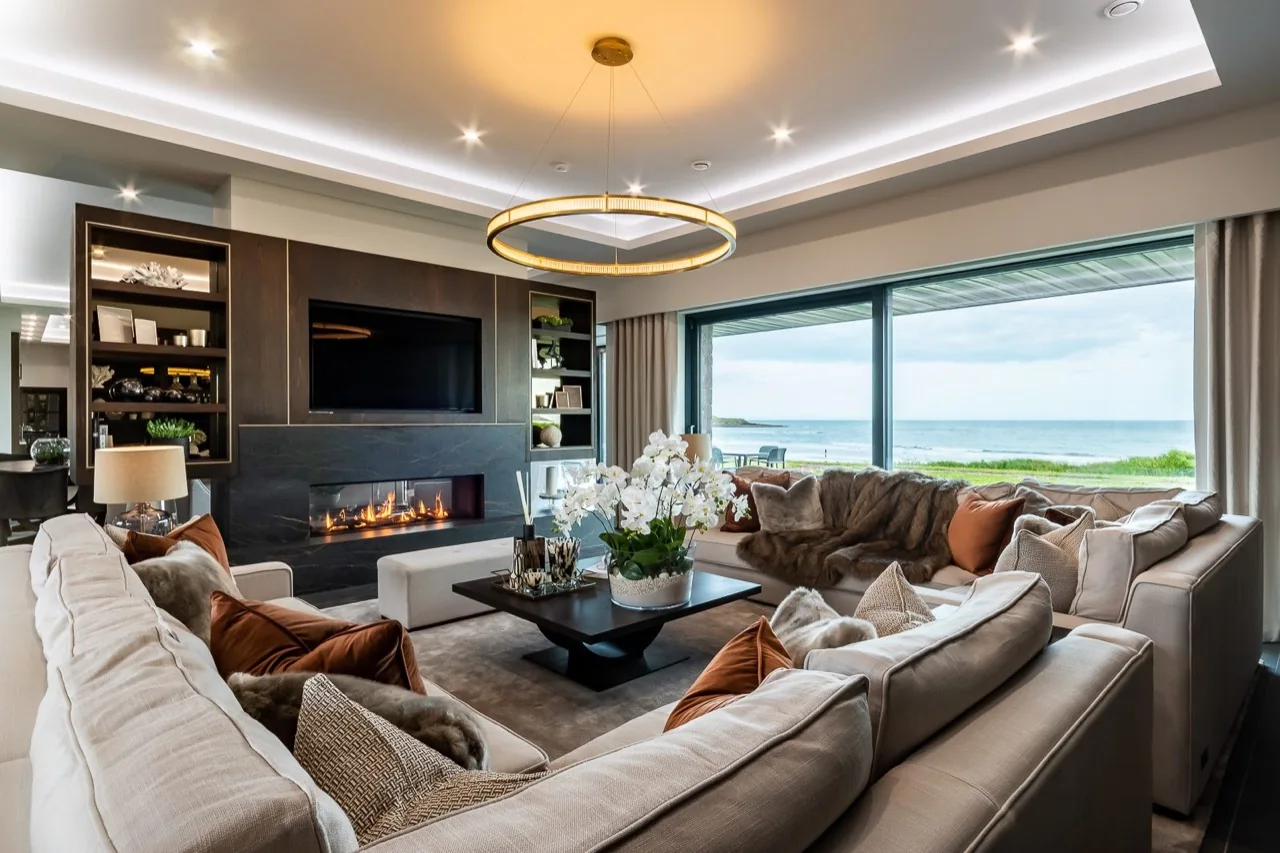
A sitting room, dining table or sheltered outdoor space may matter more to everyday life than a long list of facilities. At Camelot Waterford in Ardmore, for example, the sitting area brings family gathering space and a view of the sea together. The useful question is how your household would spend time there.
Include accompanying staff and arrival plans
If a nanny, assistant or other member of your household team will travel with you, include their role and expected length of stay. This helps us discuss accommodation and how their existing responsibilities would work alongside the proposed local support.
Separate staff accommodation is optional and depends on the residence and your requirements. It should be discussed as part of the proposal, rather than assumed to be included or compulsory.
Travel details can begin with the broad outline: whether arrivals will be together or staggered, likely local journeys and any luggage or equipment that could affect arrangements. Exact flight details can follow when confirmed.
Share what matters most
Choose the two or three things that will most influence your decision. These might be a coastal setting, room layout, working space or simply a comfortable place for several generations to spend time together. If your preferred setting is still open, our country-or-coast guide offers a starting point.
A spending range can also help, particularly if you explain whether it covers accommodation alone or the wider residency. The written proposal sets out the proposed arrangements and costs for review. Our How We Work page explains the next steps.
A short brief you can use
Complete the points you already know and leave the rest open:
- Dates: preferred period, flexibility and any staggered arrivals.
- Household: adults, children’s age groups and rooming needs.
- Daily life: routines, working hours and quiet-space requirements.
- Dining: meal patterns and requirements to discuss.
- Travelling staff: roles, dates and accommodation needs.
- Transport: arrival plans and the kinds of journeys you expect.
- Priorities: what matters most and the scope of your budget.
- Contact: who is coordinating the enquiry and your preferred way to speak.
Begin with what you know
Families can enquire directly, or through an assistant or family-office adviser. A short outline is enough; you do not need to choose the residence first.